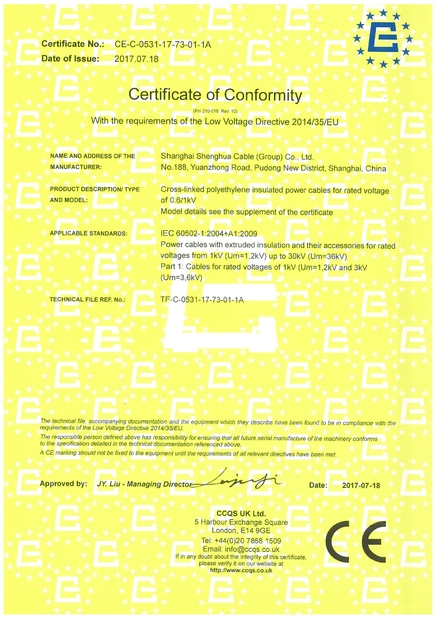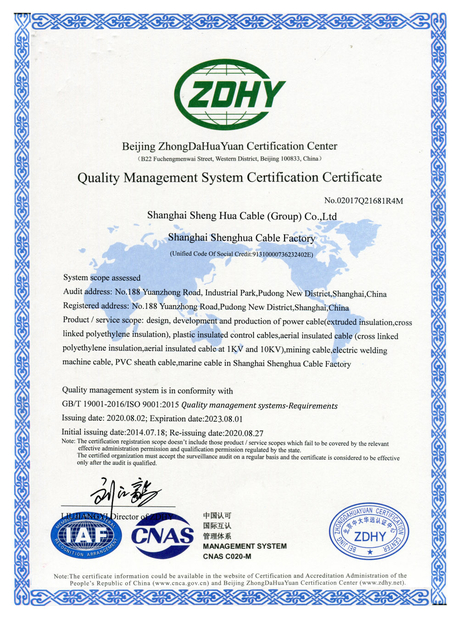
Van Shanghai Shenghua de Kabel (Groep) Co., Ltd.

De keuze van de juiste kabel is van cruciaal belang voor elk elektrisch project.rechtstreeks bepalen van hun toepassingenHet begrijpen van deze verschillen is essentieel om een betrouwbaar, efficiënt en conform stroomsysteem te garanderen.
LaagspanningskabelsDeze systemen hebben een eenvoudiger en zuiniger ontwerp, worden meestal voorzien van een eenlaagse PVC- of XLPE-isolatie, zijn vaak niet-gesteund voor gebruik binnen.en hebben kleinere doorsneden van geleidersDit maakt ze ideaal voor interne bedrading in residentiële, commerciële en lichte industriële omgevingen, van stopcontacten en verlichting tot besturingssystemen.
MediumspanningskabelsDe elektrische spanningen van de elektrische spanningen van de elektrische spanningen van de elektrische spanningen van de elektrische spanningen van de elektrische spanningen van de elektrische spanningen van de elektrische spanningen van de elektrische spanningen van de elektrische spanningen van de elektrische spanningen van de elektrische spanningen van de elektrische spanningen van de elektrische spanningen van de elektrische spanningen van de elektrische spanningen van de elektrische spanningen van de elektrische spanningen van de elektrische spanningen van de elektrische spanningen van de elektrische spanningen van de elektrische spanningen van de elektrische spanningen van de elektrische spanningen van de elektrische spanningen van de elektrische spanningen van de elektrische spanningen van de elektrische spanningen van de elektrische spanningen van de elektrische spanningen van de elektrische spanningen van de elektrische spanningen van de elektrische spanningen van de elektrische spanningen van de elektrische spanningen van de elektrische spanningen van de elektrische
Installatie van LV-kabelsIn niet-gevaarlijke gebieden kunnen ze rechtstreeks worden begraven of in een leiding worden geïnstalleerd zonder buitensporige speciale maatregelen.en verbindingstechnieken zijn eenvoudiger.
Installatie van MV-kabelsis een nauwkeurig gedreven proces met strenge eisen:
Kortom, LV-kabels zijn het veelzijdige "circulatiesysteem" voor de dagelijkse elektriciteitsdistributie, waarbij prioriteit wordt gegeven aan kostenefficiëntie en gebruiksgemak.MV-kabels zijn de robuuste "arteriën" van het elektriciteitsnet, waarbij ontwerp en installatie zich compromisloos richten op betrouwbaarheid op lange termijn en prestaties onder hogere stress.
Het kiezen van het juiste type kabel en het volgen van de specifieke installatierichtlijnen is niet alleen een technische kwestie, het is een fundamentele voorwaarde voor veiligheid en succes.Of u van plan bent een faciliteit upgrade, een infrastructuurproject of een nieuwe constructie, zorgt een duidelijk begrip van deze verschillen in spanningsklassen voor een veiligere, betrouwbaarder en conformere elektrische installatie.